What 500+ Project Sites Say About Ramky's Execution Strength

Ramky Group infrastructure experience: 500+ project sites across 23 states and nine countries, and what developer financial strength means for buyers.
Most residential developers build homes and little else. The Ramky Group is different. This post looks at the Ramky Group infrastructure experience, and why it matters to buyers of a high-rise like Codename Club Class.
Ramky Multi-Sector Projects
Ramky multi-sector projects span four broad areas:
Infrastructure development
Environmental management services
Residential and commercial real estate
Life sciences and medical research
Across these, the group has worked at 500+ project locations in 23 Indian states, including union territories.
A Footprint Beyond India
The group also has a presence in the USA, Singapore, Saudi Arabia, the UAE, Vietnam, China, Gabon, West Africa and Peru. Working across that many countries means operating under different regulators, contracts and conditions, which builds process discipline.
Why Infrastructure Experience Helps a Housing Project
Building two 28-storey towers depends on the same core skills as large infrastructure work:
Engineering: structural design, foundations and seismic compliance.
Procurement: buying materials at scale and on schedule.
Project controls: managing cost, timelines and contractors across a long build.
A group that already runs those systems at scale brings them to residential projects too.
Developer Financial Strength India: What to Look For
Developer financial strength India-wide matters most in pre-launch buying, because you pay before the home exists. Indicators worth checking include group scale, the developer's track record of completing projects, and how the specific project is funded. For context, the Ramky Group reports a group annual turnover of ₹10,000+ Cr and employs 40,000+ people. Its real estate arm, Ramky Estates & Farms Ltd, has developed about 1 Cr sq ft, with around 1.5 Cr sq ft under development.
What RERA Adds
RERA strengthens the picture for buyers. Under the Act, developers must keep a share of the money collected from buyers in a separate account for the project's construction and land costs, and file progress updates. At Club Class, Karnataka RERA registration is awaited, and the registration record will confirm the promoter entity and possession date.
Questions to Ask About Funding
How is construction of this specific project being funded?
Which banks are expected on the home-loan panel?
How will progress updates be shared with buyers?
Clear answers to these questions are a good sign at any developer, large or small.
The Limits of Scale
Scale is not a guarantee. Every project still needs its own approvals, funding and execution, so judge Club Class on its RERA record, approvals and progress as well as on the group behind it.
The Takeaway
The Ramky Group infrastructure experience gives Club Class an engineering and financial base that few residential launches can match. Read about the Ramky Group's history, or see the structure details on our specifications page.
Related reading: the Ramky Group history and track record and the benefits of buying from an established builder.
FAQs
What sectors does the Ramky Group work in?
Infrastructure development, environmental management services, real estate, and life sciences and medical research.How many projects has Ramky worked on?
The group has worked at 500+ project locations across 23 Indian states.Which countries does Ramky operate in?
Besides India, the USA, Singapore, Saudi Arabia, the UAE, Vietnam, China, Gabon, West Africa and Peru.Why does financial strength matter in pre-launch buying?
You pay before the home exists, so the developer's ability to fund and finish the project matters.
Related Articles
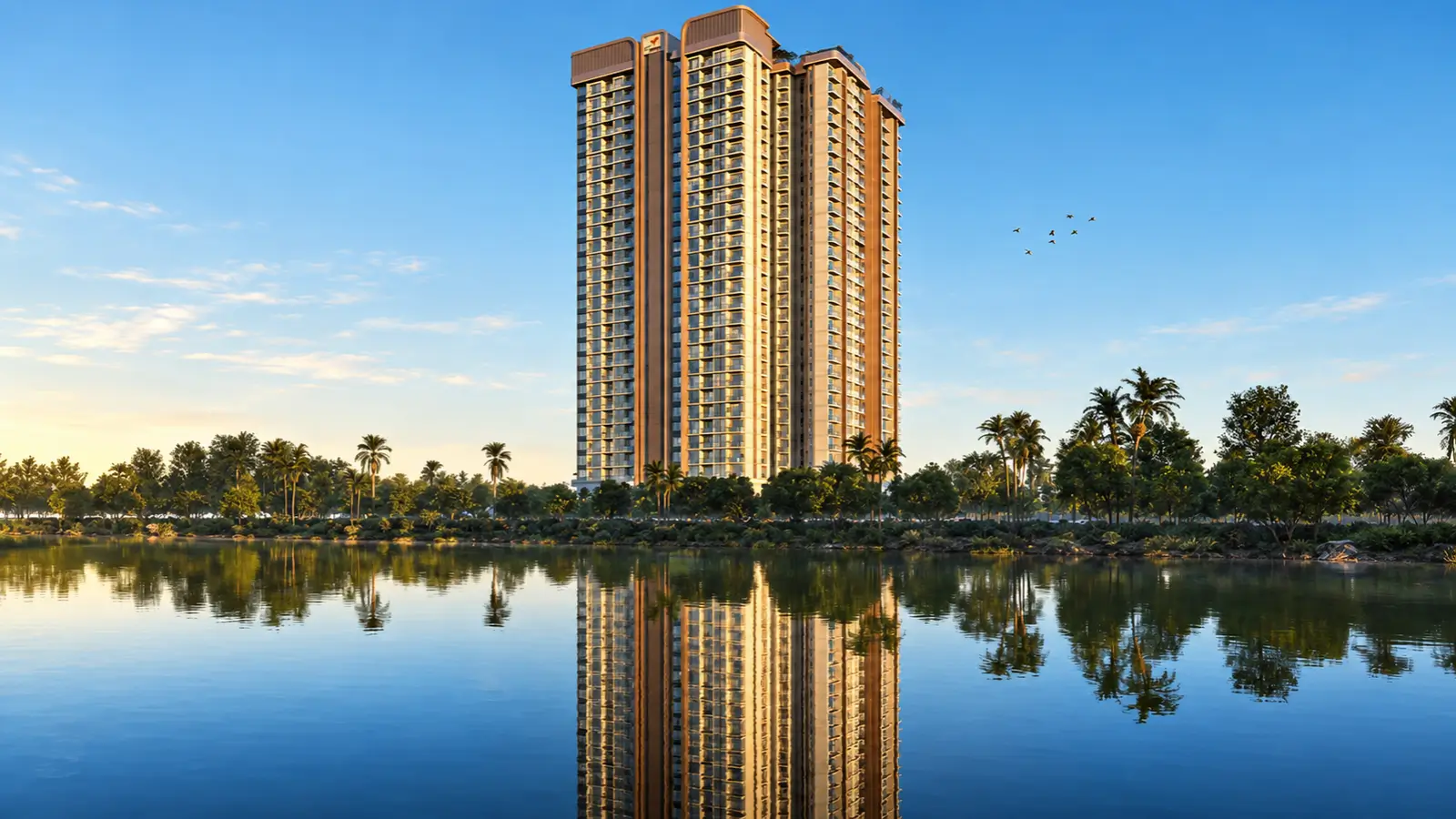
Is Codename Club Class Worth ₹2.15 Crore? An Honest Pre-Launch Review
An honest Codename Club Class review: lake frontage, corner-only homes, pricing at ₹11,700–15,100 per sq ft, and the open questions to check before you book.

Codename Club Class Launch Date and How the EOI Process Works
When is the Codename Club Class launch date? See how the EOI works, how it converts to a booking after RERA registration, and how priority allotment is decided.
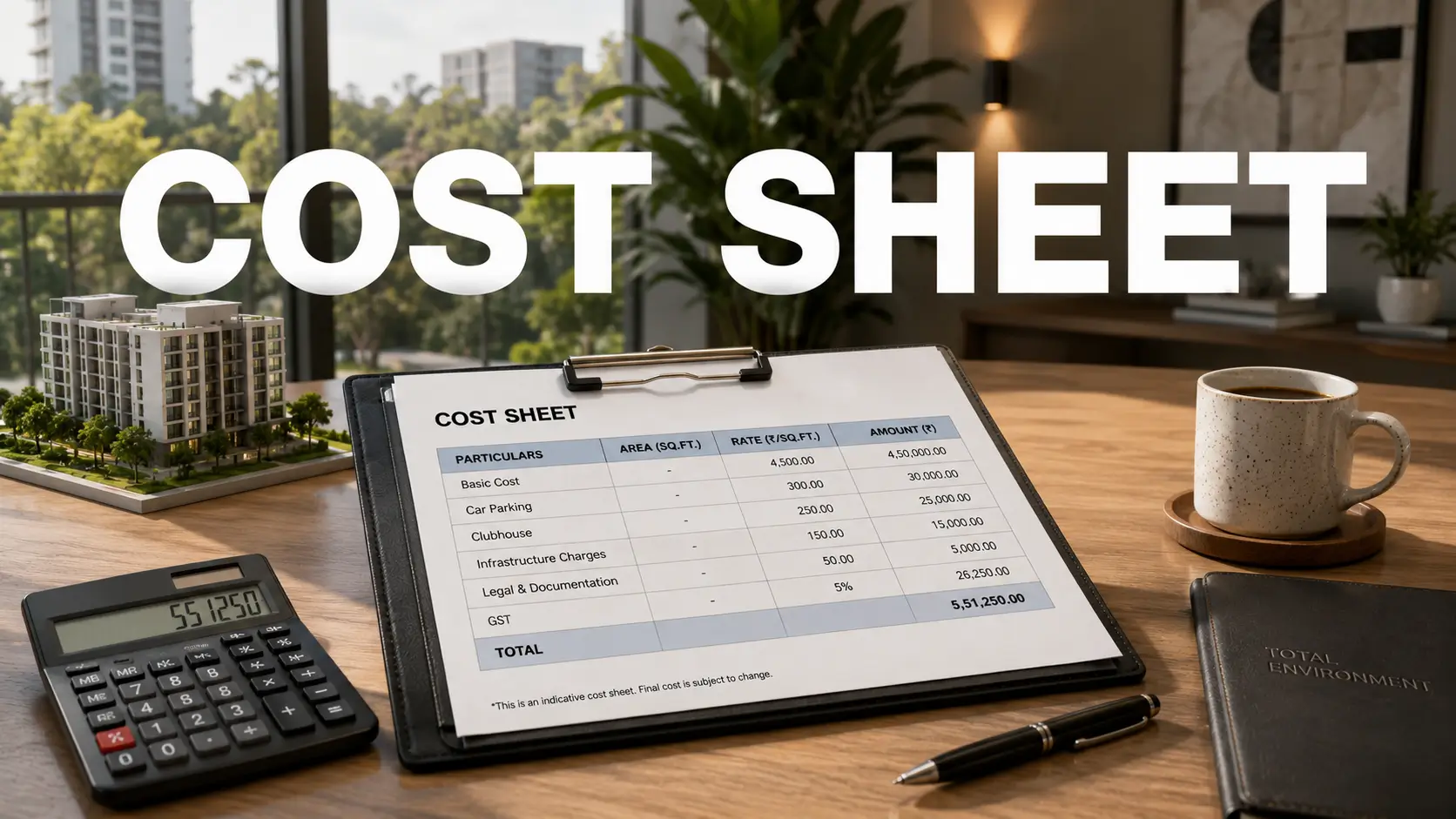
Codename Club Class Cost Sheet Explained: Every Charge Beyond Base Price
Codename Club Class cost sheet breakdown: base price, floor rise, PLC, parking, club charges, maintenance, 5% GST and stamp duty explained before you book.

Codename Club Class RERA Status: What to Check Before You Pay an EOI
Codename Club Class RERA registration status explained: what is awaited, how to verify the RERA number on the Karnataka portal, and what to check before an EOI.